

Blog
What Do You Learn in a Bartending Course? A Complete Guide for Future Bartenders

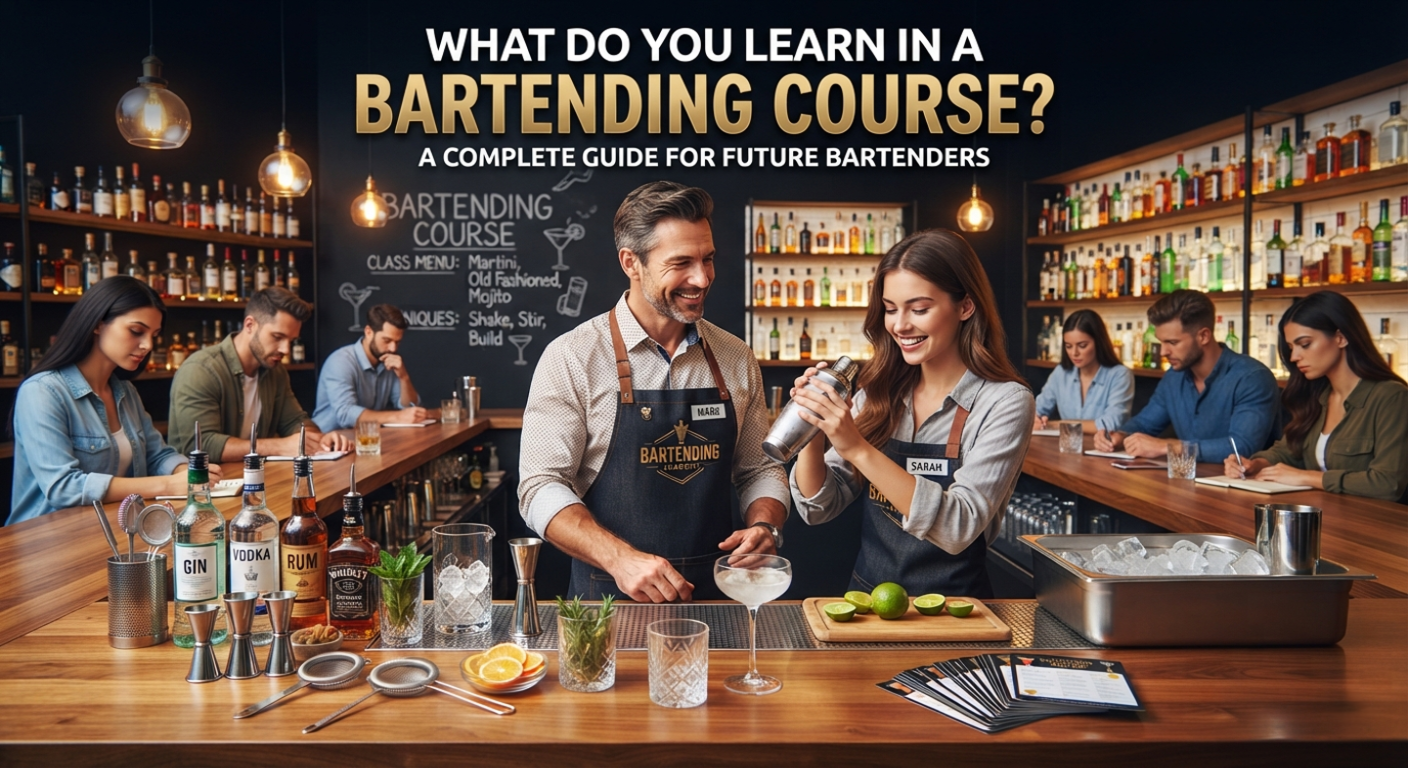
The hospitality industry values skilled professionals who can create memorable guest experiences, and bartenders play an important role in that journey. If you’re planning to build a career behind the bar, understanding what you learn in a bartending course is the first step. Whether you’re exploring a bartender course in Delhi or comparing training options, the right program helps you develop practical skills, industry knowledge, and professional confidence.
What Is a Bartending Course?
A bartending course is a professional training program that teaches students how to prepare beverages, serve customers responsibly, and manage bar operations efficiently. It combines classroom learning with hands-on practice, allowing aspiring bartenders to build confidence while working with industry-standard bar equipment.
A quality bartending course goes beyond simply teaching drink recipes. As you learn in a bartending course, you’ll gain practical knowledge in beverage preparation, customer interaction, hygiene standards, safety practices, and professional development. Many programs also include bartending certification, which can strengthen your profile when applying for jobs in the hotel industry, restaurant industry, fine dining establishments, event catering companies, and nightclubs.
What Do You Learn in a Bartending Course?
A professional bartending program covers several practical and theoretical subjects that prepare students for real hospitality environments.
1. Beverage Preparation and Drink Mixing
One of the first things students learn is beverage preparation. This includes preparing both cocktails and mocktails while understanding how different ingredients work together.
Students practice:
- Drink mixing techniques
- Accurate measurements
- Pouring techniques
- Flavor profiles
- Garnishing techniques
- Presentation standards
Consistency matters in every bar. Learning to measure ingredients correctly with a jigger helps maintain quality while reducing unnecessary waste.
2. Cocktail Making and Modern Mixology
A cocktail-making course introduces students to classic and contemporary recipes. They learn how balance, texture, aroma, and presentation influence the guest experience.
During mixology training, students work with ingredients, syrups, bitters, fresh fruits, herbs, and mixers to understand how different combinations create unique flavours. As you learn in a bartending course, you also become familiar with modern mixology, where creativity meets a scientific understanding of ingredients, flavour pairing, and balanced cocktail creation.
Many institutes follow internationally recognized cocktail standards developed by organizations such as the International Bartenders Association (IBA).
3. Understanding Spirits, Wine, and Beer
Professional bartenders must understand what they serve. That’s why liquor knowledge forms a major part of every training program.
Students receive wine and spirits education covering:
- Vodka
- Whiskey
- Rum
- Gin
- Tequila
- Wine
- Beer
They learn about production methods, tasting basics, serving temperatures, glassware selection, and suitable food pairings. Understanding different liquor brands and beverage categories helps bartenders recommend drinks confidently while improving customer satisfaction.
4. Learning Professional Bartending Skills
Technical knowledge alone isn’t enough. Employers expect bartenders to work efficiently during busy service hours.
A structured bartender training program helps students develop:
- Professional bartending skills
- Speed and accuracy
- Multitasking
- Customer communication
- Time management
- Problem-solving abilities
Students also become comfortable using essential bar tools such as the cocktail shaker, muddler, strainers, bottle openers, bar spoons, and different types of glassware.
As one trainer often jokes, “The cocktail shaker isn’t a musical instrument.” Knowing how and when to use each tool makes service smoother and far less messy.
5. Customer Service Skills That Build Loyalty
Excellent drinks may attract customers once, but great service encourages them to return.
Every professional bartender interacts with guests throughout the day. For this reason, customer service skills remain one of the most valuable lessons in any hospitality training program.
Students learn how to:
- Welcome guests professionally
- Understand customer preferences
- Recommend beverages confidently
- Handle complaints politely
- Maintain positive customer interaction
These communication skills benefit professionals across the entire hospitality industry.
6. Responsible Alcohol Service and Safety Practices
Serving alcoholic beverages comes with professional responsibility.
Students learn the principles of responsible alcohol service, including age verification, recognizing signs of intoxication, refusing service appropriately when necessary, and promoting guest safety.
Training also covers:
- Hygiene standards
- Workplace cleanliness
- Food safety basics
- Glass handling
- Safe storage of ingredients
- Emergency response awareness
Responsible service protects customers, businesses, and hospitality professionals alike.
Practical Training Makes the Difference
Reading recipes is helpful, but bartending is a practical profession.
Students spend significant time practicing beverage preparation, drink recipes, cocktail techniques, and customer interaction in simulated bar environments. This practical approach helps improve confidence while reducing mistakes during real service.
Career Opportunities After Completing a Bartending Course
A bartending qualification can open doors across multiple sectors of the hospitality industry.
Graduates may pursue bartender career opportunities in:
- Hotels
- Restaurants
- Fine dining establishments
- Resorts
- Cruise lines
- Nightclubs
- Event catering companies
- Airport lounges
- Private clubs
With experience, professionals can progress to roles such as mixologist, bar manager, beverage consultant, trainer, or hospitality entrepreneur.
Why Choose the Right Training Institute?
The quality of your education directly affects your confidence and career growth.
When selecting a training institute, consider experienced faculty, practical exposure, updated equipment, industry-focused curriculum, and placement support. If you’re searching for the best hotel management institute in Delhi, choose an institute that emphasizes real hospitality skills rather than only classroom theory.
Herbarium Institute of International Hotel Studies focuses on practical learning, professional hospitality training, and industry-relevant bartending education. Students also benefit from experienced mentors, structured skill development, and exposure to modern hospitality practices. If you’re considering a Bartender Course in Delhi, evaluating the curriculum, practical sessions, and industry connections can help you make an informed decision.
Start Your Bartending Journey Today
A professional bartending course teaches far more than mixing drinks. It develops technical knowledge, communication abilities, operational understanding, and the confidence needed to succeed in the hospitality industry. From beverage preparation and mixology training to responsible alcohol service and inventory management, every lesson contributes to becoming a skilled hospitality professional.
If you’re ready to build a rewarding career, Herbarium Institute of International Hotel Studies can help you take the next step with industry-focused training and practical learning. Visit our Google Business Profile to learn more about the institute, explore student experiences, and contact us to discuss the right course for your career goals.
Frequently Asked Questions
Is a bartending course suitable for beginners?
Yes. Most professional programs begin with fundamental concepts before moving to advanced cocktail techniques, beverage service, and bar operations. As you learn in a bartending course, you’ll gradually build the practical skills and confidence needed to work in a professional bar environment.
Do you only learn alcoholic drinks?
No. Students also prepare mocktails and learn beverage preparation techniques that apply to both alcoholic and non-alcoholic drinks.
Do bartending courses include practical sessions?
Yes. Practical training forms an essential part of professional bartender education. Students regularly practice drink mixing, measurements, customer interaction, and equipment handling.
Is bartending a good career?
The hospitality industry offers opportunities in hotels, restaurants, resorts, cruise ships, and event venues. What you learn in a bartending course equips you with practical skills, industry knowledge, and strong customer service abilities that can support long-term career growth.
